Collectible Coins, Challenge Coins, and Sobriety Coins: A Collector’s Guide to Meaning and Value
Every coin tells a story. Some speak of history, some of service, and others of personal victory. Whether you are drawn to Collectible Coins for their artistry, challenge coins for their camaraderie, or sobriety coins for their quiet strength, each piece carries more than metal. It carries memory, identity, and meaning.
The Enduring Appeal of Collectible Coins
Collectible coins have fascinated people for centuries. What begins as pocket change can become a lifelong pursuit when a coin’s design, rarity, or history captures the imagination. Collectors often start with a single memorable piece—a birth-year coin, a foreign find, or a limited-edition release—and soon discover an entire world of grading, mint marks, and historical context.
What Makes a Coin Collectible?
Not every old coin is valuable, and not every valuable coin is old. Several factors shape a coin’s appeal:
- Rarity: Low mintage or survival rates can make a coin desirable.
- Condition: Grading scales reward sharp details and minimal wear.
- History: Coins tied to wars, presidents, or cultural milestones often hold extra interest.
- Design: Beautiful engraving, symbolic imagery, and artistic craftsmanship attract new collectors.
Value Beyond Metal
For many collectors, the true value is emotional. A coin may commemorate a graduation, a birth, a military unit, or a recovery milestone. That personal connection can matter more than a price guide. The best collections are not simply assortments of shiny objects; they are archives of moments that mattered.
A coin is a small canvas. On one side, it can honor history. On the other, it can hold a private promise.
Challenge Coins: Small Symbols, Big Stories
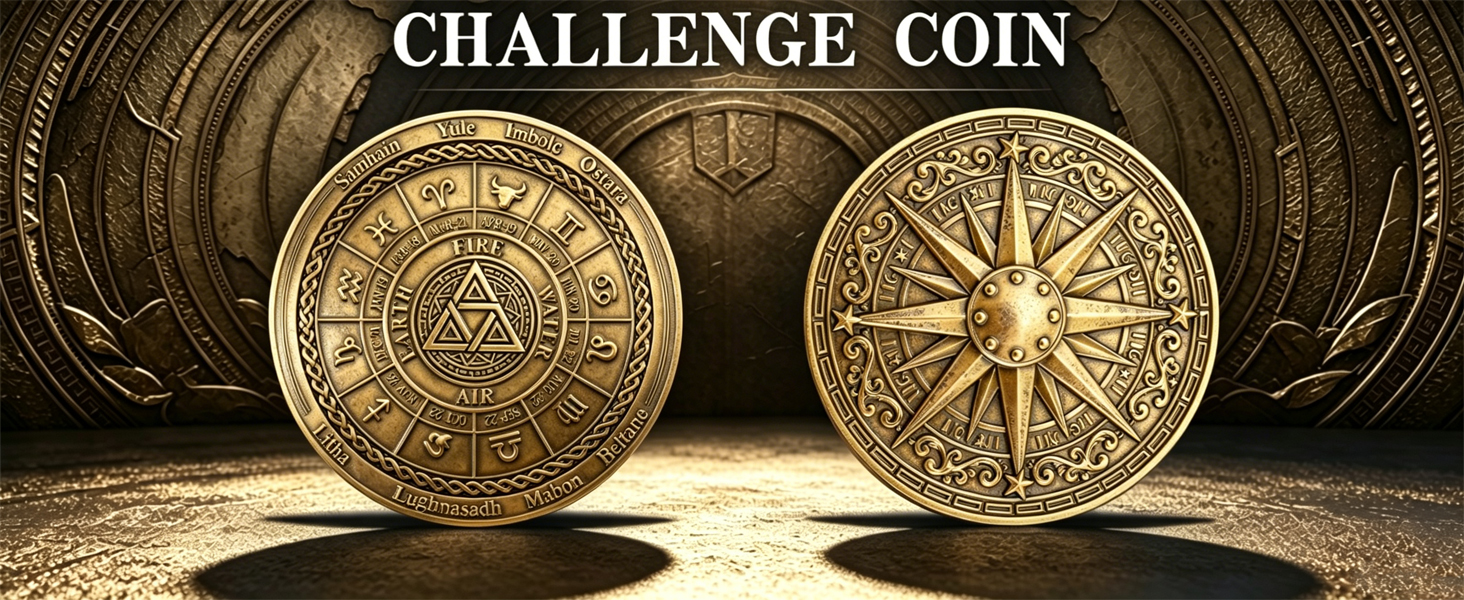
Challenge Coins began as military tokens of identity and have grown into a worldwide tradition. A challenge coin is often carried in a pocket, presented in a handshake, or displayed on a desk. Its purpose is simple: to say, “You belong. You served. You are remembered.”
How Challenge Coins Are Used Today
Modern challenge coins appear in many settings, far beyond the armed forces:
- Military units: Commanders issue coins to recognize excellence, courage, or camaraderie.
- First responders: Police, fire, and EMS teams use coins to honor service and sacrifice.
- Corporate teams: Companies create coins for milestones, leadership awards, and brand pride.
- Events and conferences: Organizers use coins as collectible keepsakes that attendees treasure.
- Recovery communities: Sponsors and groups sometimes adapt the challenge coin format to celebrate progress.
The “challenge” itself varies by tradition. In some circles, if you are challenged and cannot produce your coin, you buy a round of drinks. In others, the coin is simply a silent reminder of shared values. Either way, the object becomes a bridge between people.
Sobriety Coins: Milestones Made Tangible
Sobriety Coins are often small, unassuming tokens, yet they carry enormous weight. Commonly associated with Alcoholics Anonymous and other recovery programs, these coins mark days, months, and years of continuous sobriety. They are handed out in meetings, kept in wallets, and placed on bedside tables as a daily reminder of commitment.
Choosing a Meaningful Sobriety Coin
Because recovery is personal, the right coin should feel personal too. Consider these features:
- Milestone wording: “1 Year,” “5 Years,” or “One Day at a Time” can anchor your intention.
- Material: Bronze, brass, silver, and enamel finishes offer different tones and durability.
- Symbols: Serenity prayers, circles, triangles, and rising suns are common recovery motifs.
- Engraving: A name, date, or short message can transform a token into an heirloom.
For someone in early recovery, a sobriety coin can be a lifeline. For a sponsor, giving one can be an act of encouragement. For family and friends, it can be a respectful way to say, “I see your effort, and I am proud of you.”
Building a Collection with Purpose
A meaningful collection can combine all three categories. You might display historic Collectible Coins alongside challenge coins from different units and sobriety coins from personal milestones. This mix creates a display that is part museum, part memoir.
Display and Care Tips
Protect the finish. Handle coins by the edges, store them in acid-free holders, and keep them away from direct sunlight and moisture. Tell the story. Label each coin with the date, occasion, or person connected to it. Rotate the display. Changing arrangements keeps the collection fresh and encourages you to revisit old memories.
If you give coins as gifts, pair them with a short note. A few sentences about why you chose that design can make the gesture unforgettable. The recipient may not remember the exact metal content, but they will remember the feeling of being honored.
Where Meaning Meets Craftsmanship
Serious collectors and gift-givers alike look for clean edges, clear engraving, and durable plating. Custom designs should balance legibility with symbolism. A cluttered coin loses impact, while a simple design can speak volumes. Whether you are shopping for a military unit, a recovery meeting, or a personal milestone, quality matters.
Many people begin with one Challenge Coins purchase and later add collectible pieces or sobriety tokens. The key is to choose pieces that resonate. A coin does not need to be expensive to be valuable. It needs to be true to the story you want to preserve.
Final Thoughts
Collectible coins, challenge coins, and sobriety coins may look similar at a glance, but each serves a distinct emotional purpose. One preserves history, one celebrates belonging, and one honors transformation. Together, they show how a small piece of metal can become a powerful symbol of who we are and what we have overcome.
Comments are closed